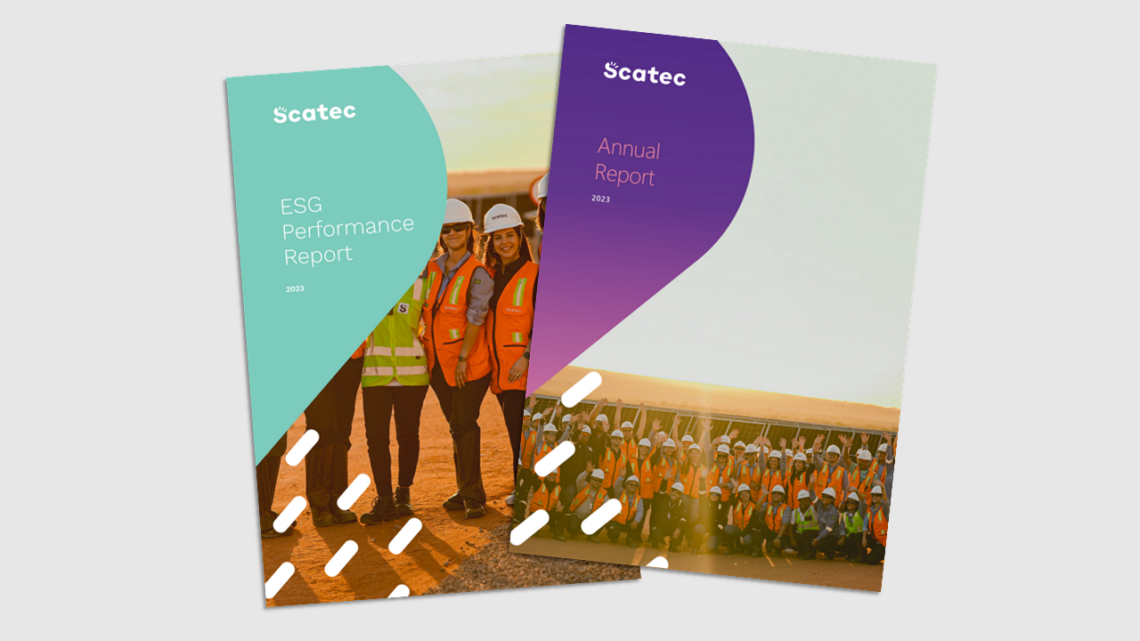
Annual Report 2023
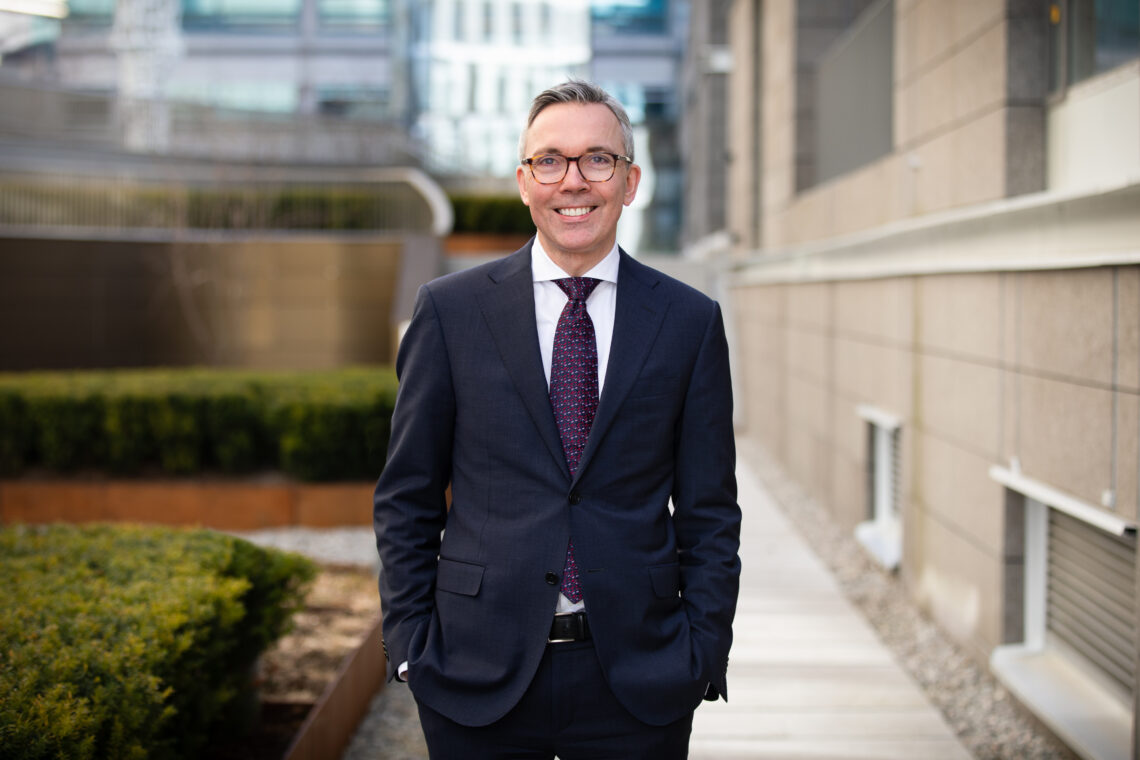
“2023 was a year marked by geopolitical uncertainties, a turbulent macroeconomic environment, and volatile interest rates, but significant progress for Scatec. We have strategically positioned the company for continued growth in 2024 with a self-funded and more focused strategy. We have had all-time high construction activity, delivered strong financial results, and secured new projects for further value creating growth through 2024 and onwards. It is a privilege to lead Scatec with its commitment to accelerate the growth of renewable energy to combat climate change based on a clear business model, strong track-record, and a competent and talented organisation,“ says Scatec CEO Terje Pilskog.
Go to online version
COP28 - Accelerating the green energy transition
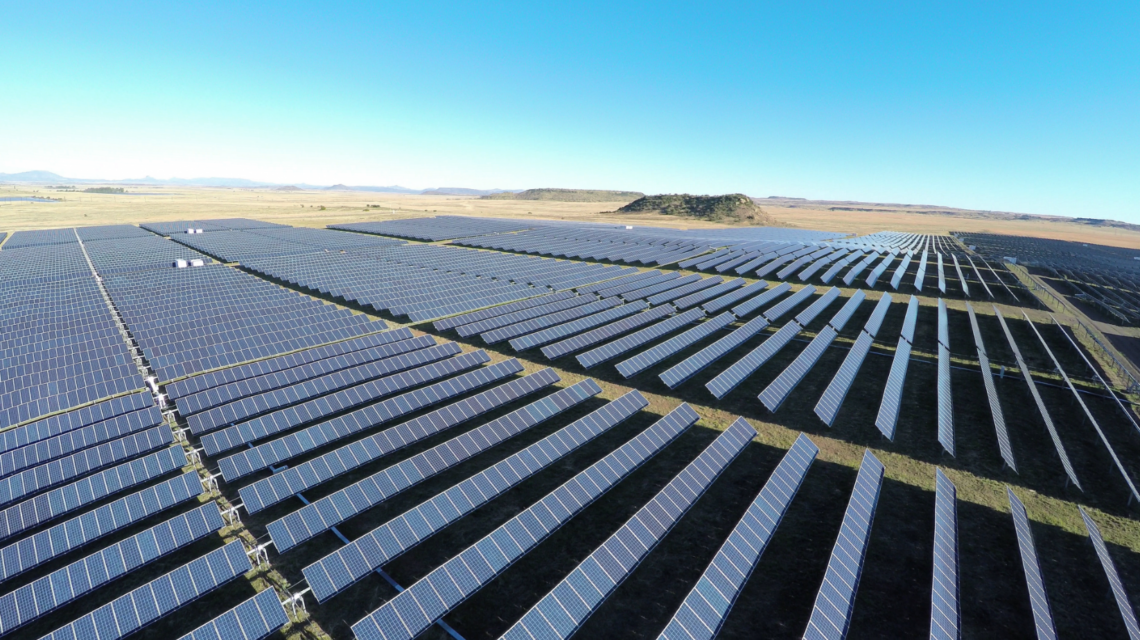
COP28 is a crucial international gathering where world leaders, organisations, and stakeholders discuss and negotiate global efforts to address climate change and promote sustainable solutions.
As COP28 convenes global leaders, Scatec emphasises the need to sustain momentum for sustainable solutions. The company urges collaboration, highlighting the collective responsibility to tackle climate challenges and calling for decisive action toward a resilient, green future
Read more here